Leading Experts for Wetaskiwin Car Wrapping Services
Revamp Your Car: Uncovering the Finest Vinyl Choices for Breathtaking Vehicle Wraps
Auto wraps have become a popular choice for personalizing vehicles, delivering both visual enhancement and durability. Given the wide range of vinyl options, each designed for specific surfaces and price ranges, the options can be overwhelming. Recognizing the distinctions among finishes and materials is essential for achieving the desired look. As the discussion unfolds, it is evident that the proper selection significantly affects both appearance and longevity. What criteria should guide the decision when picking the right wrap?
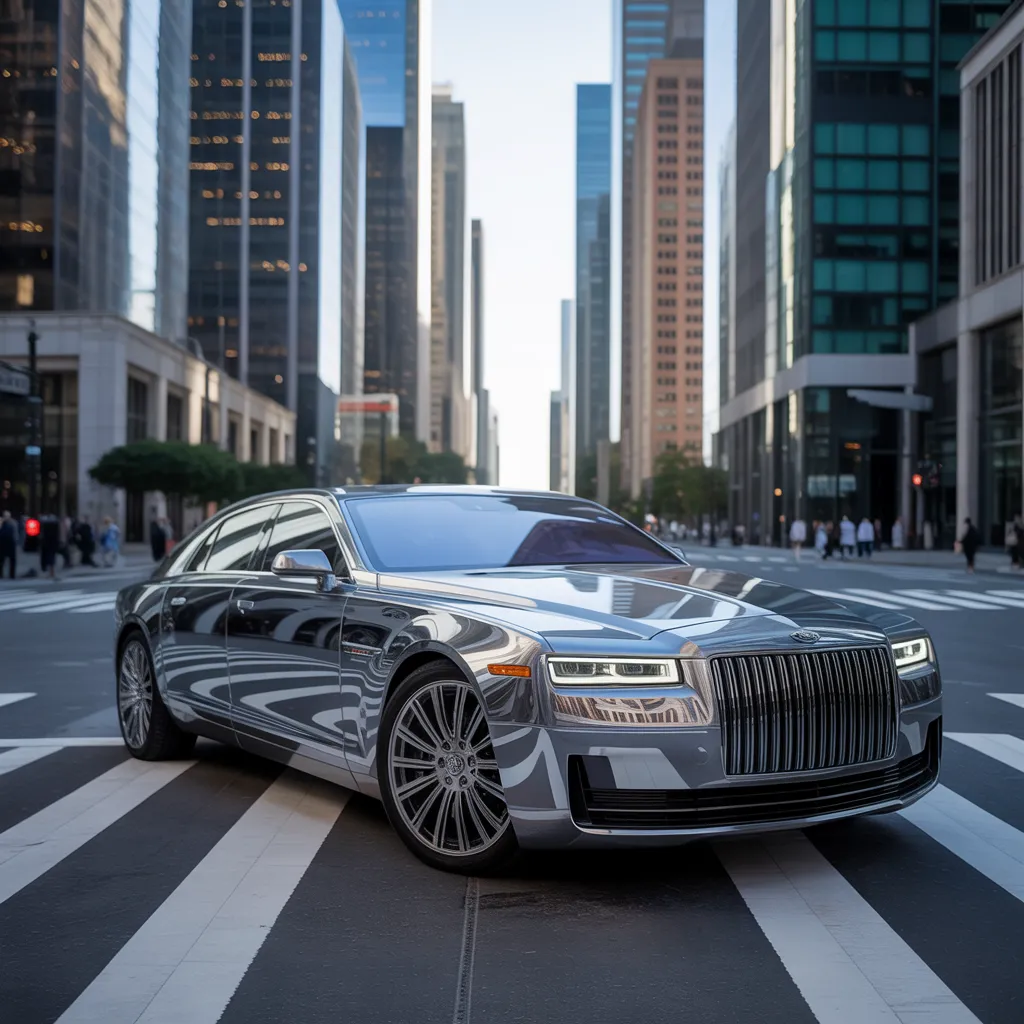
Why Are Car Wraps Better Than Paint Jobs?
Vehicle wraps provide numerous benefits compared to conventional paint applications, rendering them a growing preference amongst automobile enthusiasts. A notable benefit is how simple they are to apply and remove. In contrast to traditional paint, which requires extensive preparation and drying time, wraps can be installed quickly, facilitating a fast and impressive change in appearance. Additionally, automotive wraps form a defensive coating across the automobile's original paintwork, protecting it against scratches, harmful UV rays, and environmental wear.
Another compelling reason is cost-effectiveness; wraps typically cost less than a full paint job while offering a one-of-a-kind aesthetic. They further present remarkable flexibility in design, enabling owners to choose from countless colors and patterns without the commitment of permanent paint. Moreover, wraps can be easily changed, permitting aesthetic changes without considerable expense. In summary, these benefits explain the increasing popularity of car wraps for vehicle owners looking to enhance their car's appearance while safeguarding it.
What Are the Different Types of Vinyl for Car Wraps?
When evaluating options for vehicle wraps, being aware of the various vinyl options available is essential for achieving the desired look and performance. The most common vinyl options for vehicle wraps include specialty vinyl, cast vinyl, and calendered vinyl.
Cast vinyl is renowned for its durability and conformability, making it ideal for intricate surfaces and extended applications. Calendered vinyl, in contrast, presents a more affordable solution though it lacks the same flexibility, making it a stronger fit for level surface applications.
Special vinyl varieties feature metallic, reflective, and carbon fiber textures, enabling distinctive looks that improve a vehicle's visual appeal. Each vinyl option possesses its own distinct qualities, such as durability, thickness, and installation methods. Picking the correct vinyl is vital for obtaining superior results that suit personal taste and the demands of the vehicle.
Matte vs. Glossy: Which Finish Matches Your Style?
How does one choose between glossy and matte finishes for a vehicle wrap? The decision often copyrights on personal preference and the look one wants to achieve. A glossy finish is celebrated for its vibrant, eye-catching appearance, boosting color depth and offering a clean, lustrous finish. They are perfect for anyone looking for a high-shine aesthetic that draws attention and showcases the vehicle's curves.
On the other hand, matte finishes offer a refined, modern aesthetic. They deliver a distinctive texture that can provide automobiles a sophisticated edge while reducing reflections and glare. This surface treatment can often communicate a greater understated elegance, drawing in those who seek a unique yet polished look.
At the end of the day, selecting between glossy and matte is purely a matter of personal style, with each finish offering its unique advantages and visual characteristics, giving vehicle owners the opportunity to reflect their personal style through their chosen wrap.
What Is the Lifespan of Your Vinyl Wrap?
What considerations impact the lifespan of a vinyl wrap? The lifespan of a vinyl wrap typically ranges from three to seven years, depending on various conditions. Quality of the vinyl plays an important role; premium materials often outlast cheaper alternatives. Environmental exposure is another significant factor; UV rays, extreme temperatures, and harsh weather can accelerate wear and fading. Proper installation is essential; poorly applied wraps may peel or bubble, reducing their lifespan. Routine upkeep, such as careful cleaning and steering clear of harsh chemicals, can help prolong the wrap's longevity. Additionally, the wrap's placement on the vehicle affects durability; sections exposed to more friction or road debris may deteriorate faster. Ultimately, understanding these influences allows vehicle owners to make informed decisions, ensuring their investment in a vinyl wrap remains vibrant and intact for as long as possible.
What Thickness of Vinyl Should You Choose for Your Car Wrap?
Selecting the ideal gauge of vinyl for a auto wrap is vital for achieving both visual appeal and long-lasting performance. Typically, a gauge range of 2 to 4 mils is suggested, as it balances flexibility and durability. Heavier vinyl tends to improve resilience but might also create issues concerning conformability and application.
Ideal Thickness Range
When picking vinyl for a car wrap, grasping the perfect thickness range is key to achieving superior results. Typically, vinyl thickness varies from 2 mils (0.002 inches) to 6 mils (0.006 inches). Vinyl on the thinner side, around 2 to 3 mils, delivers flexibility, enabling it to conform smoothly to curves and contours. That said, it might be more susceptible to wear and tear. On the other hand, thicker vinyl, approximately 4 to 6 mils, offers improved durability and a longer-lasting visual appeal. This balance between flexibility and durability is vital for optimal application and longevity. In the end, the selection of thickness should match the specific needs of the vehicle and the desired aesthetic result, guaranteeing that both performance and appearance are optimized.
Effect on Long-Term Durability
Durability plays an essential role in determining the ideal vinyl thickness for vehicle wraps. Heavier vinyl, usually falling between 2 and 6 mils, delivers improved resistance to wear, tearing, and outdoor elements. This increased thickness helps protect the find now vehicle's surface from scratches, UV damage, and weather-related deterioration. However, while thicker vinyl provides more durability, it may also be less flexible, complicating the application process, especially on curved surfaces. On the other hand, thinner vinyl may be simpler to work with but could demand more frequent replacement as a result of wear and tear. In the end, the optimal thickness strikes a balance between durability and ease of installation, guaranteeing that the car wrap looks impressive while lasting for years and preserving its aesthetic and protective properties.
How to Budget for Your Car Wrap
When setting a budget for a car wrap, it is important to identify the overall cost of the wrapping material. Additionally, installation fees should be taken into account, as they can considerably affect the final price. A solid understanding of these factors will assist in forming a realistic budget.
Calculate Total Wrap Cost
Budgeting for a car wrap requires careful consideration of several components that impact the total cost. The main factor is the selected vinyl material, which fluctuates in pricing according to finish and overall quality. Additionally, the size and type of vehicle have a considerable impact; bigger vehicles or those featuring complex contours often incur higher costs. Vehicle owners should also consider required preparatory work, such as cleaning or repairing the underlying surface, which can increase the total cost. It is important to set a budget that accounts for these factors while accommodating unforeseen expenses. By evaluating these elements, individuals can create a realistic financial plan for their car wrap project.
Factor In Installation Fees
Installation costs are a significant factor in the overall cost of a auto wrap and should not be overlooked when planning your budget. Such costs can differ greatly based on the complexity of the installation, the expertise of the installer, and the size of the vehicle. In most cases, professional installation provides a superior outcome, reducing the chances of imperfections or alignment issues.
To plan finances wisely, it is beneficial for car owners to obtain quotes from multiple installers, evaluating services and skill levels. Some may offer package deals that encompass materials as well as installation services, which can provide better value. Accounting for these expenditures ahead of time will prevent unexpected costs and secure a flawless and efficient wrap process.
Tips for Maintaining Your Car Vinyl Wrap for Longevity
Caring for a car vinyl wrap is crucial for protecting its vibrant appearance and maximizing its lifespan. Consistent cleaning is key; employing a soft sponge or cloth with gentle soap helps eliminate dust and pollutants without damaging the vinyl. It is recommended to refrain from using automatic car washes with brushes, as they can harm the surface.
Furthermore, using a sealant for protection can improve UV ray resistance and overall durability. Parking in shaded areas or using a car cover can additionally reduce fading and sun-related damage.
It's crucial to tackle any scratches or tears quickly to prevent moisture from seeping underneath the wrap, which can lead to peeling. Additionally, regular inspections for any signs of wear can help identify problems early on, guaranteeing the wrap stays in top condition. By following these tips, vehicle owners can appreciate the visual advantages of their vinyl wraps for many years.
Popular Questions Answered
Can I Wrap My Car Myself, or Should I Hire a Professional?
Wrapping a car oneself is possible but requires skill and patience. Enlisting a professional ensures a perfect result, as they bring expertise and equipment that significantly minimize errors and improve the final look.
In What Ways Do Weather Conditions Impact the Longevity of Car Wraps?
Weather conditions markedly impact car wrap durability. Harsh temperatures, humidity levels, and ultraviolet rays can lead to deterioration, lifting edges, or unsightly bubbles. Professional installation and consistent care are necessary to maximize lifespan under changing environmental circumstances.
Do Car Wraps Have Any Color Restrictions?
Color constraints for car wraps stem primarily from the range of available vinyl shades and textures. Even though most colors are readily accessible, particular custom tones might necessitate special orders, potentially driving up costs and delivery times for buyers.
Will a Car Wrap Affect My Vehicle's Resale Value?
Vehicle wraps can have a positive or negative impact on the resale value of a vehicle. A professionally applied wrap is likely to appeal to buyers looking for personalized vehicles, while poor application or damage can deter potential purchasers, diminishing the car's overall attractiveness and selling potential.
Can I Remove a Vinyl Wrap Without Damaging the Paint Underneath?
Absolutely, a vinyl wrap can generally be removed without harming the base paint, provided it was installed correctly and the paint is in excellent condition. The right technique and tools can also limit any possible damage during the removal process.